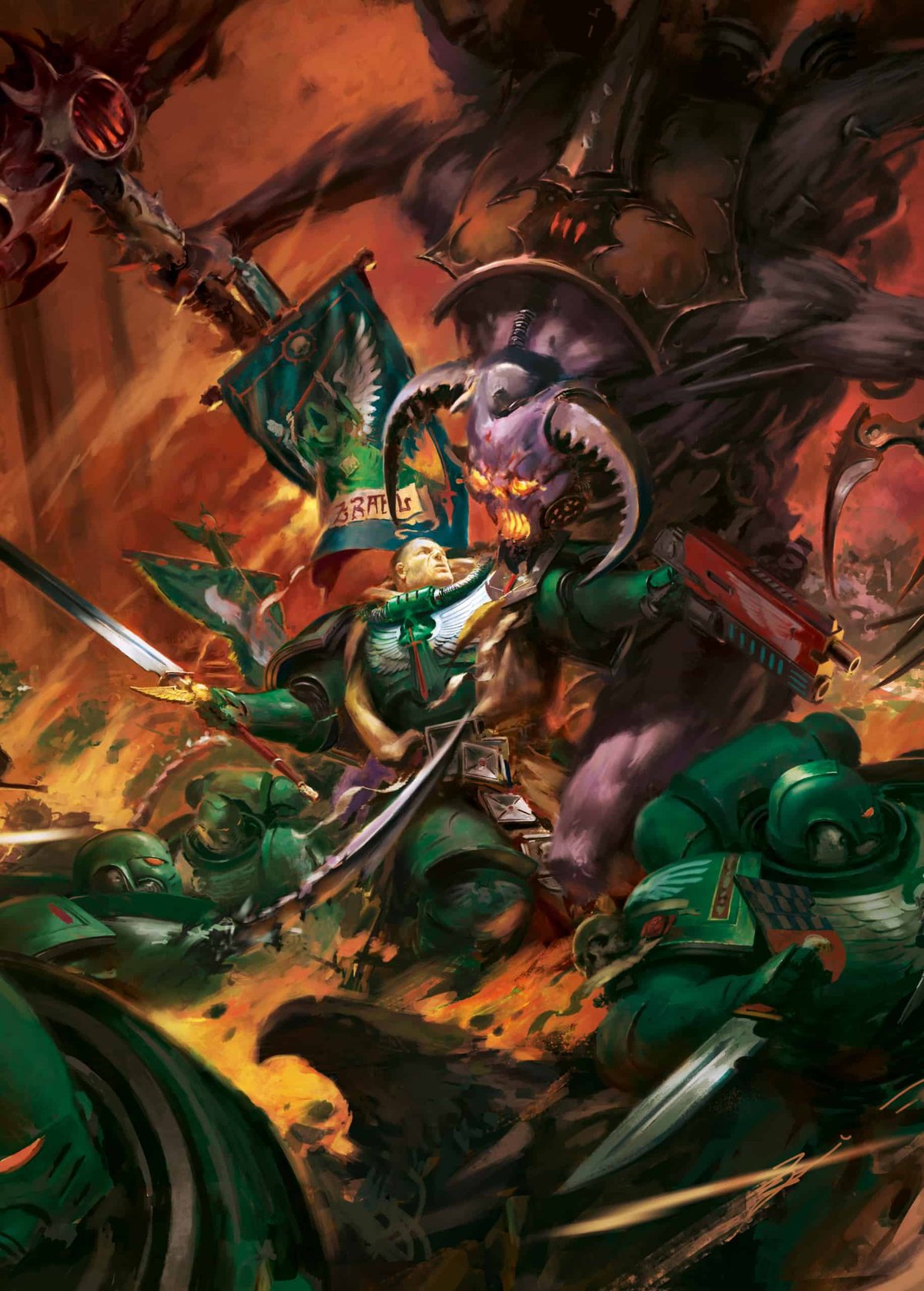
The Imperium of Man is vast, cruel, and teeming with countless legions, chapters, and regiments. Creating a unique identity for your own grimdark forces—whether they're the Emperor's finest or the foulest servants of Chaos—can be one of the most rewarding aspects of the Warhammer 40,000 hobby. That's where Warhammer 40k Army, Chapter & Regiment Name Generators become indispensable tools, transforming a blank slate into a lore-rich name that instantly evokes dread, reverence, or awe.
You’re not just painting miniatures; you’re crafting a story, a legacy, for your collection. A well-chosen name isn't just a label; it's the very soul of your army, reflecting its history, its battles, and its unique place in the galaxy's eternal war.
At a Glance: Crafting Your Army's Identity
- Lore is King: Authentic names draw heavily from Warhammer 40k's vast lore, reflecting faction-specific cultures and themes.
- Faction First: Your army's faction (Space Marine, Imperial Guard, Chaos, Xenos) dictates its naming conventions.
- Generators Are Gold: Online tools simplify name creation, offering lore-accurate suggestions quickly.
- Refine Your Search: Use keywords and filters in generators to narrow down results to your army's specific vibe.
- Beyond Random: Treat generators as a starting point; iterate and personalize names for maximum impact.
- Say It Out Loud: Ensure your chosen name is memorable, pronounceable, and distinct.
- Document Everything: Keep a record of your army's name, its origins, and any related lore you create.
Why Your Army's Name Isn't Just a Label—It's Its Legacy
In the 41st Millennium, where every world is a battlefield and every life a fleeting spark, identity is forged in fire and blood. Your Warhammer 40k army is more than just a collection of plastic models; it's a narrative waiting to unfold. From the stoic warriors of a newly founded Space Marine Chapter to the countless battalions of an Imperial Guard Regiment, or the grotesque retinues of a Chaos cult, their name is the very first thing that speaks of their character, their tactics, and their grim purpose.
Imagine fielding a force named "The 3rd Company" versus "The Emperor's Crimson Blades." Which one instantly conjures a more vivid image? The name sets the tone, inspires your painting scheme, influences your tactical decisions on the tabletop, and even shapes the custom lore you build around your collection. It’s the cornerstone of your army’s identity, allowing you and your opponents to connect with your forces on a deeper, more immersive level. A powerful name transforms generic units into legendary warriors, making every battle a chapter in their grim saga.
The Lexicon of War: Factional Blueprints for Naming
The universe of Warhammer 40k is incredibly diverse, and so are its naming conventions. What works for a squad of Aeldari doesn't fly for a platoon of Catachan Jungle Fighters. Understanding these factional nuances is critical for generating names that feel genuinely at home in the grimdark.
Space Marines: From Founding Chapters to Successors
The backbone of the Imperium's might, Space Marine Chapters carry names that are often epic, martial, and steeped in tradition. Think "Ultramarines," "Blood Angels," "Space Wolves." These names frequently evoke:
- Celestial Bodies or Phenomena: "Astral Knights," "Cosmic Talons."
- Noble Beasts or Predators: "Raven Guard," "Iron Snakes," "White Scars."
- Weaponry or Metallurgy: "Iron Hands," "Steel Confessors," "Adamantine Spears."
- Virtues or Ideals: "Imperial Fists," "Sons of Dorn," "Defenders of Humanity."
- Colors or Gems: "Crimson Fists," "Emerald Scars."
- Founding Fathers/Heroes: Often directly or indirectly referenced.
When naming a Space Marine Chapter, consider its Primarch's legacy, its specialized combat doctrines, or a significant event in its history. Successor Chapters often take a twist on their parent Chapter's name or adopt a new one reflecting their unique identity or homeworld. If you want to take a deep dive into the Space Marines, you'll find their naming deeply intertwined with their heritage.
Imperial Guard: The Endless Legions of Humanity
The Imperial Guard, often referred to as the Astra Militarum, fields untold billions of soldiers from millions of worlds. Their naming conventions are less about ancient myth and more about regimental history, homeworld origin, and practical identifiers.
- Homeworld Designation: "Cadian Shock Troopers," "Valhallan Ice Warriors," "Catachan Jungle Fighters." Many regiments simply use their homeworld's name followed by a descriptor and a numerical designation (e.g., "Mordian Iron Guard 8th Regiment").
- Animal Totems or Symbols: "Death Korps of Krieg" (though not an animal, it's a stark symbol), "Vostroyan Firstborn." Less common for the overall regiment, more for specific companies or squads.
- Historical Events/Honors: Names might commemorate a famous victory or a legendary commander.
- Numerical Designations: Almost universally present, distinguishing one regiment from another from the same world.
A good Imperial Guard regiment name feels grounded, functional, and reflective of the harsh realities of their service. It often conjures images of their homeworld's environment or their unique combat style.
Forces of Chaos: Echoes of Corruption
Chaos names are a stark contrast, dripping with blasphemy, mutation, and the corrupting influence of the Dark Gods. Whether you're naming a Chaos Space Marine Warband, a Daemon Legion, or a cult, the names should sound menacing, twisted, and distinctly anti-Imperial.
- Blasphemous Titles: "Word Bearers," "Iron Warriors" (from Traitor Legions), "Death Guard."
- Corrupted Virtues/Concepts: "Sons of the Abyss," "Knights of Despair," "The Bleak Heralds."
- References to Dark Gods: "Plaguebearers of Nurgle," "Khorne's Bloodbound," "Tzeentch's Thousand Sons."
- Violent or Destructive Imagery: "World Eaters," "Night Lords," "Flames of Damnation," "Ruinous Slaughter."
- Demonic or Mutated Allusions: "Flesh-Eaters," "Gorechosen."
When you consider naming your Chaos forces, lean into the grotesque, the forbidden, and the utter defiance of order. A name that makes loyalists shiver is a good one.
Xenos Hordes: Alien Tongues and Ancient Grudges
The galaxy is home to countless alien species, each with its own bizarre and fascinating naming conventions. Naming your xenos factions requires stepping outside human linguistic norms.
- Eldar/Aeldari: Elegant, often multi-part names with poetic or archaic tones, reflecting their ancient, melancholic culture. "Biel-Tan," "Saim-Hann," "Ulthwé" for Craftworlds; "Dire Avengers," "Striking Scorpions" for Aspect Warriors.
- Orks: Brutish, guttural, and often humorous names reflecting their love of fighting and simple desires. "Ghazghkull Thraka," "Bad Moons," "Goffs," "Evil Sunz." Often incorporate "Da," "'Ard," "Smasha," "Killa."
- Tyranids: Typically not named by themselves, but rather by Imperial classifications based on their swarm's observable characteristics or the planets they've consumed. "Hive Fleet Behemoth," "Hive Fleet Kraken," "Jormungandr."
- Necrons: Ancient, resonant names, often evoking their mechanical nature, millennia-old dynasties, or terrifying weapons. "Szarekhan Dynasty," "Mephrit Dynasty," "Sautekh Dynasty."
- T'au Empire: Names are often phonetic, reflecting their unique language, and structured with ranks or designations. "Commander Farsight," "Fire Warrior Shas'ui T'au."
The key for xenos is to capture their distinct alien nature. Don't be afraid to experiment with unusual sounds, prefixes, and suffixes.
How Warhammer 40k Name Generators Work Their Magic
At its core, a name generator is an algorithm that combines various linguistic elements—syllables, prefixes, suffixes, root words—according to predefined rules. For Warhammer 40k, these rules are heavily influenced by the game's extensive lore. The best generators aren't just mashing random words together; they're educated guesses informed by years of established naming conventions.
Beyond the Random Click: Smart Generation
Modern Warhammer 40k name generators leverage databases of terms, names, and even linguistic patterns specific to each faction. When you hit "generate," the tool might:
- Select a Core Concept: For Space Marines, perhaps "Iron" or "Blood." For Chaos, "Ruin" or "Shadow."
- Add a Modifier: "Iron Fists," "Blood Angels," "Ruinous Powers," "Shadow Hounds."
- Incorporate Lore-Specific Elements: For Imperial Guard, it might combine a pseudo-geographic name with a numerical designation (e.g., "Veridian 7th Mechanized").
- Consider Phonetics: Ensuring the generated names sound authentic and pronounceable within the context of the faction.
This "smart" approach means you're far less likely to get something completely nonsensical and much more likely to find a gem that feels like it could have stepped right out of a Black Library novel. Ready to dive in? You can always Generate Warhammer 40k names for yourself and see the magic in action.
Tailoring Your Search: Keywords and Filters
The real power of a good name generator lies in its ability to be guided by your specific vision. Instead of endless random clicks, look for generators that offer:
- Faction Filters: This is paramount. Select "Space Marines," "Imperial Guard," "Chaos," or a specific xenos race to immediately narrow the results to relevant naming conventions.
- Sub-Faction or Chapter Filters: Some advanced generators might allow you to select, for instance, "Dark Angels Successors" or "Khorne Warband" for even more targeted suggestions.
- Keyword Inputs: This is where you inject your army's unique flavor.
- Example 1 (Space Marines): If your Chapter specializes in stealth and swift attacks, you might input "Shadow," "Raven," "Ghost," or "Strike." The generator could then suggest names like "Shadow Raptors," "Raven Talons," or "Ghost Strikers."
- Example 2 (Imperial Guard): If your regiment hails from a desert world and uses heavy artillery, keywords might include "Dune," "Sand," "Desert," "Artillery," "Bombard." Results could be "Dune Bombardiers 3rd," or "Desert Artillery Corps 12th."
- Example 3 (Chaos): For a Nurgle-aligned force, "Plague," "Rot," "Decay," "Blight." Suggestions: "Blighted Brethren," "Rotting Scions."
By using keywords, you transform a general tool into a bespoke naming assistant, saving you time and ensuring greater relevance.
Choosing the Right Generator for Your Grimdark Project
With numerous generators available online, how do you pick the best one for your needs? It comes down to features, authenticity, and ease of use.
Online Tools vs. Manual Inspiration
- Online Generators:
- Pros: Instant results, vast databases, faction-specific rules, often free, excellent for breaking through creative blocks. Many offer options to generate names for chapters, regiments, individual characters, planets, and more.
- Cons: Can sometimes produce generic or slightly off-lore names if not well-programmed. May require some refinement on your part.
- Manual Inspiration (Lore Books, Lexicanum, etc.):
- Pros: Deepest lore accuracy, allows for truly unique and story-driven names, unparalleled authenticity.
- Cons: Time-consuming, requires extensive knowledge of the lore, can be daunting for new players.
For most hobbyists, a combination is ideal. Start with a generator to get a strong foundation, then refine it with a touch of manual inspiration to inject that truly personal flavor.
Key Features to Look For
When evaluating a Warhammer 40k name generator, keep these features in mind:
- Faction-Specific Filters: Absolutely essential for authenticity. The more granular, the better (e.g., specific Space Marine Primarchs or Chaos Gods).
- Robust Database: A wide variety of prefixes, suffixes, and core words means more unique and less repetitive results.
- Lore Accuracy: Does it produce names that feel right? Does it avoid mixing incompatible elements (e.g., a "Shiny Happy Space Marine Chapter")? Reading examples on the generator's site can often give you a good idea.
- Keyword/Contextual Input: The ability to guide the generation process with your own descriptive terms.
- Multiple Suggestions: Instead of just one name at a time, look for generators that offer a list of options with each click.
- Pronunciation Guides (Bonus): Less common, but incredibly helpful for more exotic names, especially for xenos factions.
- Clear Interface: Easy to navigate, quick to generate, and simple to copy results.
Crafting Your Army's Identity: A Step-by-Step Guide
Using a generator effectively is an art. It’s not just about clicking a button, but about guiding the process to create a name that truly resonates with your vision.
Step 1: Pinpoint Your Faction and Sub-Faction
Before you touch any generator, you need clarity. Are you fielding Space Marines? Which Legion/Chapter are they inspired by, or are they a custom Successor? Are they Imperial Guard from a specific type of world (death world, forge world, hive world)? Are they a specific Chaos Warband dedicated to a particular god?
- Example: "I'm building a custom Space Marine Chapter, successors of the Imperial Fists, but they're grim and specialize in siege warfare in urban environments."
- Example: "I have a new Imperial Guard regiment from a water world, known for naval assaults and disciplined close-quarters fighting."
This initial specificity will inform your choices in the generator.
Step 2: Define Your Vibe (Lore, Playstyle, Color Scheme)
What's the feeling you want your army to evoke?
- Lore: What's their origin story? What kind of battles have they fought? Do they have a tragic past, a glorious legacy, or a dark secret?
- Playstyle: Do they favor aggressive assaults, cunning ambushes, or grinding attrition?
- Color Scheme: Does a dark, brooding palette suggest "Shadow" or "Obsidian"? Does a bright, stark one imply "Radiant" or "Sun"?
These elements aren't just cosmetic; they're the personality of your army, and a good name should reflect them. For deeper understanding of the 40k lore that might inspire your unique faction, check out this guide to deeper understanding of the 40k lore.
Step 3: Iterate and Refine
Don't settle for the first decent name that pops up.
- Generate a Batch: Click the generate button a few times, saving any names that catch your eye.
- Mix and Match: Often, you'll find a prefix from one name and a suffix from another that combine perfectly. "Crimson Blades" and "Storm Lords" might become "Crimson Storm" or "Storm Blades."
- Adjust Keywords: If the results aren't quite right, tweak your input keywords. If "Steel" is too generic, try "Adamant," "Obsidian," or "Aegis."
- Consider Modifiers: Sometimes a simple addition can elevate a name. "The Grim Guard" becomes "The Grim Guard of Vholon."
Step 4: Test for Memorability and Pronunciation
Say your potential names out loud. Do they roll off the tongue? Are they easy to remember?
- Too long? "The Chapter of the Crimson Bloodied Hand of Retribution" might be lore-rich but a mouthful.
- Too generic? "Green Guys" is out.
- Awkward pronunciation? Avoid names that lead to stuttering or miscommunication. Imagine explaining it to a new opponent.
A name should be evocative, but also practical for regular use.
Step 5: Document Your Choices
Once you've settled on a name, write it down! And don't stop there. Jot down:
- The full name: E.g., "The Obsidian Sentinels Chapter, 3rd Company."
- Its meaning/inspiration: "Named for their dark armor and unyielding defense, like ancient guardians."
- Any associated lore: "Founded in M38, known for holding the line at the Battle of the Vorlak Gate."
- Color scheme notes: How the name influenced your paint choices.
This documentation will be invaluable for maintaining consistency, especially if you step away from the hobby for a while or expand your army significantly. It also adds depth to your campaign ideas if you decide to play narrative games.
Common Pitfalls and How to Avoid Them
Even with the best tools, it's easy to stumble. Here's what to watch out for.
Generic or Out-of-Place Names
The biggest trap is creating a name that sounds like it could belong to any sci-fi universe, or worse, one that clearly doesn't fit Warhammer 40k.
- Pitfall: Naming a Space Marine Chapter "The Star Blazers." (Sounds too clean, too hopeful for 40k).
- Solution: Always filter by faction. Lean into the grimdark aesthetic. Use words like "Grim," "Dark," "Iron," "Skull," "Death," "Void," "Storm," "Blade," "Sons," "Scars," "Fists," etc., for the Imperium and Chaos. For Xenos, focus on their specific linguistic quirks.
Overly Complex or Unpronounceable Names
While unique is good, illegible isn't.
- Pitfall: "The Q'tharr-Xylosian Exterminators of the Outer Rim." (Hard to say, hard to remember).
- Solution: Keep it concise. Two to four words are often ideal for Chapters/Regiments. If it's a xenos name, it can be more alien, but still try to make it phonetically manageable. Break down longer names into acronyms or common abbreviations if necessary for casual use.
Ignoring Sub-Faction Lore
A "Death Guard" successor Chapter shouldn't sound like it belongs to the "Ultramarines."
- Pitfall: Naming a Khornate Warband "The Righteous Paladins of Blood." (While "Blood" fits, "Righteous Paladins" is off-brand for Chaos).
- Solution: Immerse yourself in the specific lore of your chosen sub-faction. If they are an offshoot of the Blood Angels, names might involve "Sons," "Blood," "Angel," "Sanguine," "Crimson," and have a touch of melancholy or fury. If they're a Dark Mechanicum cult, words related to steel, flesh, cybernetics, and dark rituals are more appropriate.
Beyond the Basics: Advanced Naming Strategies
Once you're comfortable with the basics, consider these techniques to add even greater depth to your army's name.
Combining Elements: Hybrid Names
Sometimes the best name isn't fully generated, but a clever combination of a generated idea and your own creativity.
- Example: A generator gives you "Shadow Reavers" and you like it, but you also have a personal affinity for "Storm." You could create "Shadow Storm Reavers" or "The Storm-Shadow Reavers."
- Practical Use: This method allows you to inject subtle references to multiple aspects of your army—its origins, its tactics, its chosen deity, or its homeworld—into a single, cohesive name.
Story-Driven Naming: Origin Stories
Every Warhammer 40k name can have a story. Rather than just picking a cool-sounding name, think about why they bear it.
- Example: Instead of "Iron Fists," consider "The Ironfist Brethren," named after their founding Primarch Rogal Dorn's legendary unbreakable will, which they demonstrated in a pivotal defense where their bare hands were their only weapons after ammunition ran dry.
- Practical Use: This makes the name infinitely more meaningful. When you tell someone your army is "The Ironfist Brethren," you have an immediate anecdote ready, enhancing immersion for everyone. Even a small piece of lore makes a name unforgettable.
Leveraging Real-World Mythology and Languages
The creators of Warhammer 40k themselves draw heavily from history, mythology, and various languages. You can too.
- Latin/Greek: Many Imperial names have Latin roots ("Imperium," "Astra Militarum," "Ultramarines"). Words like Aegis (shield), Ferrum (iron), Ignis (fire), Mortis (death) can provide powerful, ancient-sounding names.
- Germanic/Norse: Often used for Space Wolves, or rugged Imperial Guard regiments. Words like Grim, Fenris, Saga, Rune.
- Slavic: Can provide a brutal, enduring feel.
- Celtic: Evokes ancient mystery and warrior tradition.
- Example: Research local folklore for guardian spirits or monstrous beasts from your chosen inspiration. Perhaps "The Sons of Barghest" for a Chapter that hunts down heretics relentlessly like the mythical spectral hound.
- Practical Use: This adds a layer of depth and resonance, tapping into established archetypes and giving your names a classical, enduring feel. Just be sure to "grimdark" them up to fit the 40k setting.
Frequently Asked Questions About 40k Naming
Getting the perfect name can bring up a few common questions.
Q: Are there official naming conventions I must follow?
A: For official lore, Games Workshop has established conventions. For your personal army, no, you don't have to follow them rigidly. However, adhering to them makes your army feel more authentic and integrated into the setting. Most players appreciate names that fit the grimdark tone.
Q: Can I use generator names for official tournaments or publications?
A: Absolutely! As long as the name isn't offensive or infringing on existing IP (which generator names rarely are, as they're usually combinations of common words), you're free to use them for your armies in any context, including official events. Many official fan content and online articles use names generated by these tools.
Q: What if I don't like any generated names?
A: Don't give up!
- Change keywords: Try different descriptive words for your army.
- Mix and match: Take parts of several generated names.
- Browse other generators: Different tools might have different databases or algorithms.
- Take a break: Sometimes stepping away and coming back with fresh eyes can help. You might find inspiration in a random word or concept later.
Q: How do I name unique characters within my army (e.g., Chapter Master, Tank Commander)?
A: Name generators often have specific modes for characters. Character names also follow factional conventions (e.g., Space Marine names are often Germanic/Latin-sounding, Imperial Guard names might be more common surnames). For unique characters, you can add titles, honorifics, or epithets to their given names to reflect their deeds or personality (e.g., "Captain Titus," "Commissar Yarrick," "Ghazghkull Thraka"). Generators can provide a solid base, which you then personalize.
Empower Your Grimdark Creation
A compelling name is more than just an identifier; it’s the foundation of your army’s story, a silent herald of its grim glory or its vile depravity. By leveraging the power of Warhammer 40k Army, Chapter & Regiment Name Generators with a strategic, lore-aware approach, you’re not just rolling dice on a digital interface. You’re embarking on the critical first step of weaving your personal narrative into the sprawling, brutal tapestry of the 41st Millennium.
So, arm yourself with inspiration, fire up your chosen generator, and unleash a name that will echo across the battlefields, remembered by allies and feared by foes. Your grimdark forces await their destiny—and their legendary moniker.